
Reviewed · LAKE COMO COOKING CLASSES
Como: Premium Pizza-Making Class at a Pizzeria
Como’s pizza lesson turns dough into art. I like the hands-on way you learn Neapolitan dough (proportions, kneading, rising), and I also love the big wood-fired oven moment where your pizza actually comes to life. The only real downside is the price, so you’ll want to treat it like a full meal plus a real skill session, not a quick taste.
This is based in a top-rated pizzeria in Lombardy that earned Travellers’ Choice in both 2022 and 2023, and the teaching is very personal because it stays small. In classes led by Francesco, support from Eya (and sometimes Aaya) helps keep things smooth, fun, and very question-friendly.
Plan for 2.5 hours of active work at a station: dough first, then the traditional “staglio” shaping into panetti, a bruschetta break, then rolling, topping, and baking your Margherita before finishing with wine or beer and a limoncello toast. If you’re gluten-free, note the class isn’t built for that (it does accommodate lactose intolerance and vegans).
In This Review
- Key highlights to expect in Como
- Neapolitan pizza skills in Como’s wood-fired oven
- What happens first: dough proportions, kneading, and rising time
- Staglio and panetti: shaping the dough the traditional way
- Bruschetta break: a pause that actually teaches you to taste
- Rolling, topping, and baking your Margherita
- Wine or beer with your pizza, plus limoncello to finish
- Price in perspective: what you’re really paying for
- Tips to get the best results (and have more fun)
- Who should book this Como pizza class (and who shouldn’t)
- Quick practical rundown of the 2.5-hour flow
- Should you book? My take
- FAQ
- How long is the pizza-making class in Como?
- Is the class taught in English?
- How big are the groups?
- What dietary needs can the class accommodate?
- What’s included with the price?
- Is there an age requirement?
- Is the class wheelchair accessible?
- Is it possible to get the recipe to make pizza later?
Key highlights to expect in Como
- Neapolitan dough training with real numbers for proportions, kneading, and rising time
- Staglio lesson to form your own panetti the traditional way
- Wood-fired oven baking that feels like stepping into a working pizzeria
- Build-your-own topping choice after you make your base Margherita
- Full meal flow with bruschetta first, then the pizza you made
- Take-home recipe so you can try the method later, even with a home setup
Neapolitan pizza skills in Como’s wood-fired oven
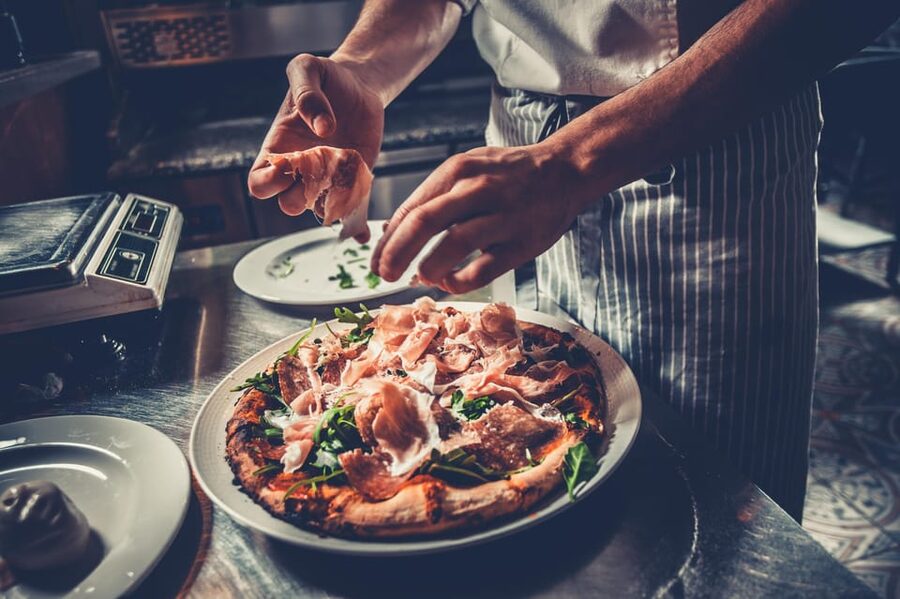
If you’ve ever watched a pizza chef and wondered why some crusts taste light and delicate while others go heavy, this class explains that difference in plain, usable steps. You’re not just assembling toppings. You’re learning how the dough behaves—how it stretches, how it rises, and how it bakes into that thin-but-soft Neapolitan crust.
This is set in a famous Como pizzeria with serious credentials (Travellers’ Choice awards in 2022 and 2023). That matters because the environment is built for quality: you’re using the kind of workflow and ingredients you’d expect from a place that takes pizza seriously, not just for tourists.
You’ll also feel the pacing is designed for small groups (up to 8). You work at your own station, so you’re not stuck watching and taking notes the whole time. And because the instruction is in English, you can focus on technique instead of translation.
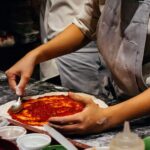
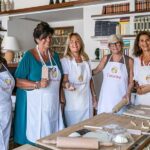
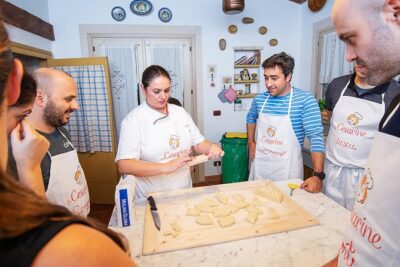
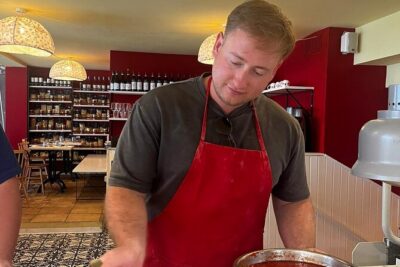
Rolling pasta and pizza in a Larian kitchen.
What happens first: dough proportions, kneading, and rising time
The class starts with the dough basics, and that’s the part that most people skip when they try pizza at home. Here, you learn the working logic: correct proportions, a kneading method that builds the dough structure, and rising times that help the dough develop the texture you want.
For you, that means the lesson isn’t limited to shaping. You’ll understand what changes when you rush the rise or when the dough is under-kneaded. Neapolitan pizza dough is simple on paper—just a few ingredients—but picky in practice. The class treats that seriously, with step-by-step guidance from the chef team.
In classes led by Francesco, the approach often includes a bit of pizza history and how the process fits together. Eya’s involvement shows up in how the class stays friendly and on track, especially if you ask questions while you’re working. If you’re the type who likes to personalize, you’ll likely get suggestions rather than a hard stop.
One practical note: you’ll be making dough from scratch. That’s part of the value. You’re paying for the training that leads to the crust, not just the meal.
Staglio and panetti: shaping the dough the traditional way
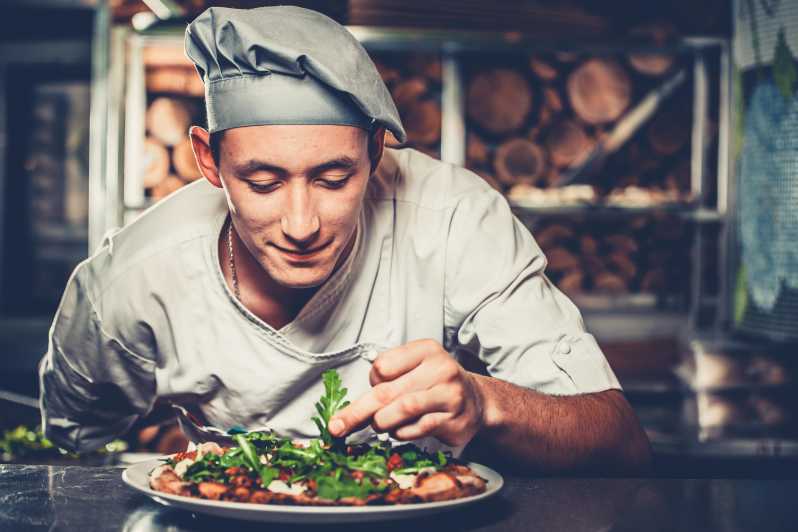
Next comes one of the most important techniques in the Neapolitan world: staglio. This is the method used to cut and portion dough into panetti, which are then ready for the final stretch and shaping.
This isn’t just busywork. How you portion affects how the dough behaves later—how evenly it stretches, how consistent each pizza is, and how reliable your final crust looks. By the time you’re doing staglio yourself, you’re learning why Neapolitan pizza can be both delicate and consistent.
You’ll work at your station, guided by the chef so you don’t just follow motions. You’ll get feedback on what to look for, and you’ll see how small changes can shift the dough texture.
Bruschetta break: a pause that actually teaches you to taste
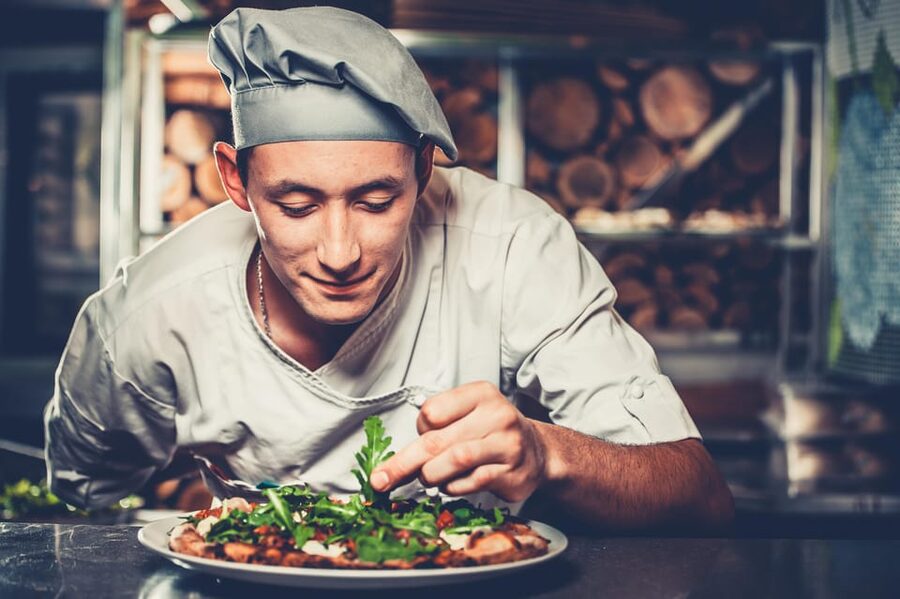
Before you move fully into pizza mode, there’s a bruschetta stop. It’s not filler. This is an easy win for your palate, and it helps you connect ingredients to flavor while your dough work continues in the background.
You’ll get another taste of Italy before heading back to the bench. For me, the best part of breaks like this is they reset your energy without pulling you out of the cooking flow.
If you’re someone who worries you won’t enjoy a “class meal,” don’t. This is structured so you snack, then cook, then eat what you made while the wood-fired oven is producing real pizza aromas around you.
Rolling, topping, and baking your Margherita
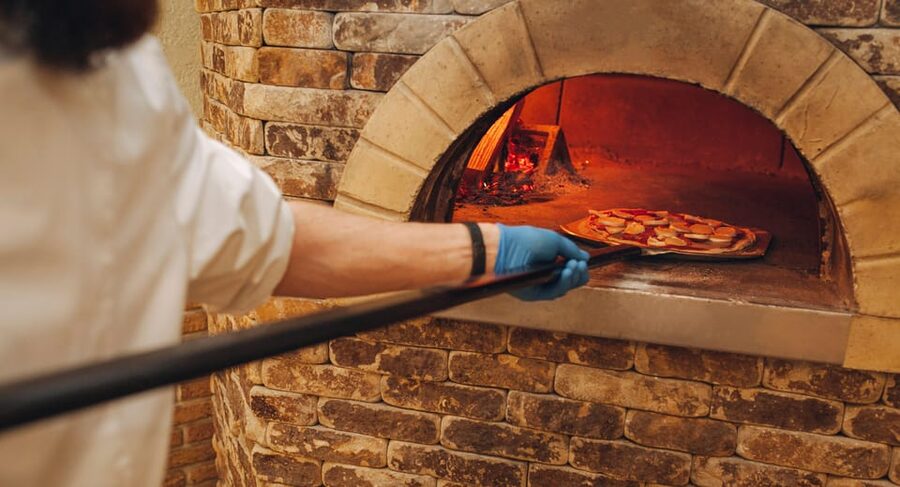
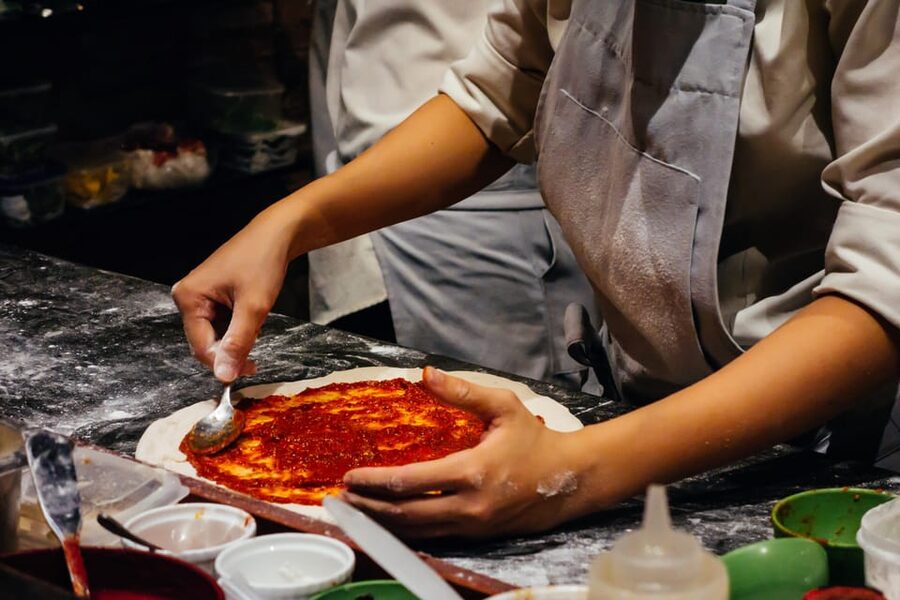
Now it’s your turn at the oven-side action. You’ll step up to the wood-fired oven like a real pizzaiolo, with help from your chef as you roll out and top your pizza.
You start with a Margherita base—simple, but unforgiving if the technique isn’t right. The scent is part of the show: San Marzano tomatoes and fresh basil are a major focus, and the oven makes the whole kitchen smell like the real deal.
Then you get personalization. You can add your favorite toppings to make it your own. The chef team is used to questions and small detours; in past classes, they’ve accommodated requests and helped people turn ideas into something that still works with the dough and bake.
Once topped, you’ll bake and then eat your pizza. This is a key value point: your meal isn’t served first and forgotten. You cook, watch it bake, and then sit down with what you made.
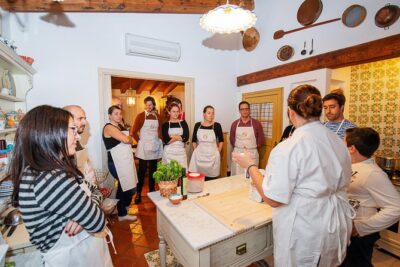
More hands-on afternoons around the lake.
Wine or beer with your pizza, plus limoncello to finish
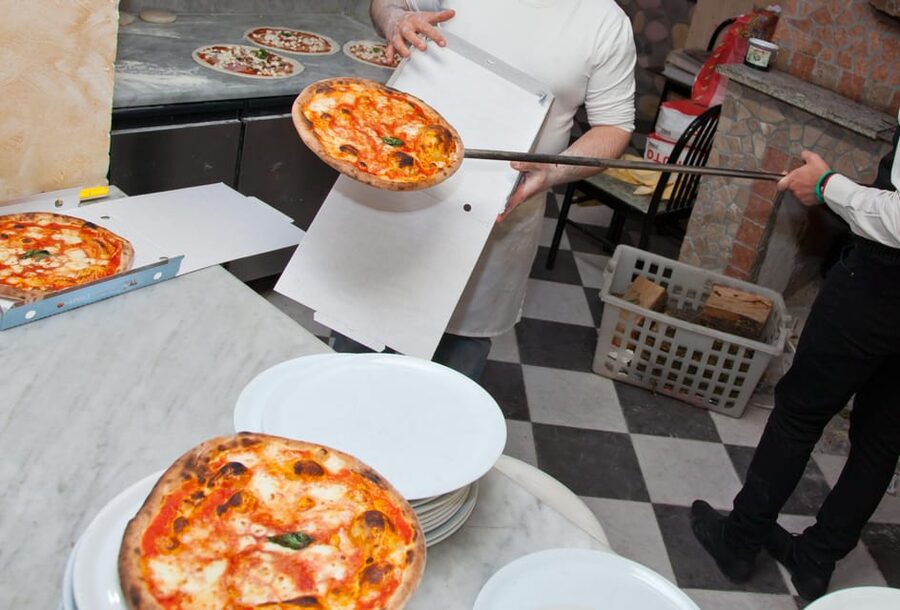
Pizza classes often end right after the last slice. Here, the finish feels more like a proper dinner. After baking, you pair your pizza with one alcoholic beverage—either Italian craft beer or red wine—plus water.
The ending is a toast with limoncello. It’s a small ritual, but it changes the vibe from classroom to celebration. It also gives you something to look forward to as the oven work gets intense.
If you’re planning around your day, remember this is a 2.5-hour experience that includes eating. It’s not just a workshop; it’s also a meal in Como.
Price in perspective: what you’re really paying for
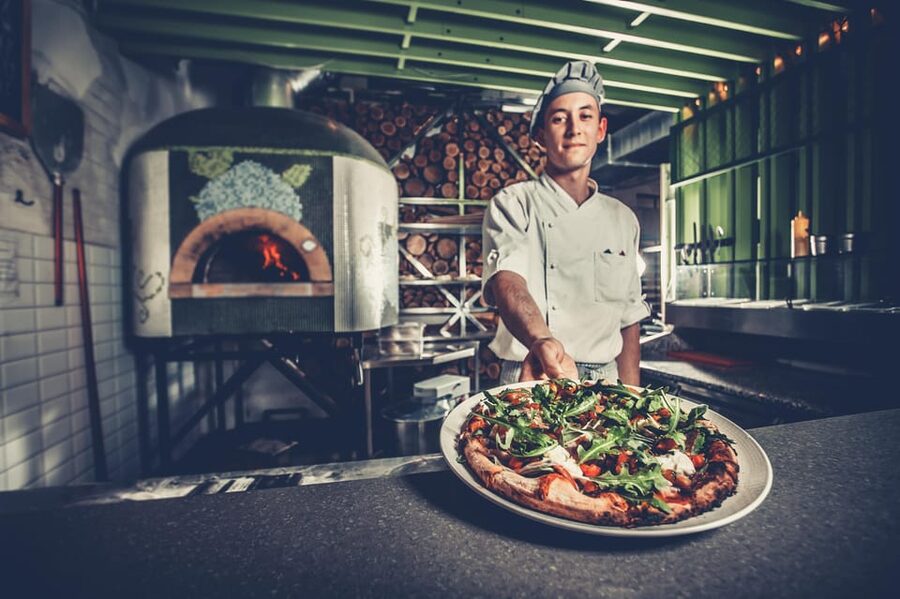
At $112.15 per person, this isn’t a budget-only activity. But when you break down what’s included, the cost starts to make sense.
You’re paying for:
- Hands-on instruction for dough technique (not just guidance for toppings)
- Small-group teaching (max 8), with time at your own station
- Wood-fired oven baking in the same place and workflow where pizza makers work
- Your meal, including bruschetta and the pizza you create
- A paired drink (wine or craft beer) and a limoncello toast
- A recipe to take home, so the class keeps paying off after your trip
Is it pricey? Yes. But pizza isn’t like making a sandwich—you can’t fake fermentation and shaping and expect the same result. This price is for the skills that lead to texture, not just the final bite.
If you’re comparing options, look for classes that teach dough and shaping with real oven time. If it’s only a topping assembly experience, you’ll usually feel the price faster.
Tips to get the best results (and have more fun)

Here are a few practical things that make a difference in a hands-on class like this.
- Ask before you start mixing. Dough technique is easier when you understand what success looks like.
- Pay attention to dough feel, not just timing. Rising times matter, but texture tells the real story.
- Take notes for home. Even if you get a recipe to take home, write down what you personally noticed (what worked for you, what felt off).
- Don’t go too wild with toppings at first. Customize, yes, but keep an eye on how toppings affect bake and balance.
- Treat the oven moment like a highlight. This is where the lesson stops being theory and turns into something you can taste instantly.
Also: since instruction is in English, you can ask for clarification without slowing the room down too much. The chef team’s hospitality is a real part of why people enjoy this class so much.
Who should book this Como pizza class (and who shouldn’t)

This is a great fit if you want a real Neapolitan method, not just a meal activity. You’ll like it if you enjoy cooking, you’re curious about how dough works, or you want a souvenir you can actually recreate.
It’s also a strong choice for couples and small groups because the class stays intimate. The “limited to 8 participants” setup helps you get attention while you’re learning.
A few limits to keep in mind:
- Not suitable for children under 14
- No gluten-free option is offered
- It can accommodate lactose intolerance and vegans, so you’re not locked out if dietary needs are within those categories
If you’re strictly gluten-free, you’ll need to look elsewhere. If you’re vegan or lactose intolerant, this class should be workable and thoughtfully handled.
Quick practical rundown of the 2.5-hour flow
You can expect a full, step-by-step sequence:
- Dough prep from scratch, including kneading and rise guidance
- Staglio to create panetti
- Bruschetta break
- Roll out and top your Margherita
- Add optional toppings if you want
- Wood-fired oven bake
- Eat together, paired with wine or craft beer
- Limoncello toast
- Take home the recipe
Even if you’ve never made pizza dough before, the structure is built to move you forward in clear stages.
Should you book? My take
Book this class if you want a hands-on way to learn Neapolitan pizza technique in Como, with real oven time and a meal that feels worth the money. The teaching focus on dough proportions, kneading, rising, and staglio shaping is exactly what helps pizza-making click later at home.
Skip it if you’re gluten-free, if you’re only looking for a quick tasting, or if $112.15 feels like too much for a single meal experience. Otherwise, this is a smart “learn + eat” combo that gives you both a great night out and a skill you can use again.
FAQ
How long is the pizza-making class in Como?
The class lasts about 2.5 hours. Starting times vary, so you’ll want to check availability for the slot that fits your schedule.
Is the class taught in English?
Yes. The instructor language is English.
How big are the groups?
It’s a small group experience limited to 8 participants, with individual work stations.
What dietary needs can the class accommodate?
The class can accommodate lactose intolerant guests and vegans. Gluten-free options are unfortunately not offered.
What’s included with the price?
You get a hands-on pizza lesson, the meal with your pizza, limoncello liquor, one alcoholic beverage (Italian craft beer or wine), water, and one normal pizza.
Is there an age requirement?
Yes. The experience is not suitable for children under 14.
Is the class wheelchair accessible?
Yes, it is listed as wheelchair accessible.
Is it possible to get the recipe to make pizza later?
Yes. You’ll take home the recipe so you can recreate the pizza for friends and family.
More Lake Como Workshops
More Lake Como Cooking Classes

More Tour Reviews in Como






Prefer something else? More ways to fill a day around Lake Como and its shore villages








Lake Como Cooking Classes, compared.
 ★ 5.0Small group Pasta and Tiramisu class in ComoFrom $229210 reviews
 ★ 5.03-Recipe Italian Cooking Class in Como – Cesarine Best NYT HostsFrom $107186 reviews
 ★ 5.0Bellagio Cook With a View + Villa MelziFrom $33898 reviews
 ★ 4.5Learn How to Make Homemade Pasta in Bellagio AreaFrom $18160 reviews
 ★ 4.5Pasta and Tiramisu Class at a Local’s HomeFrom $21556 reviews
 ★ 5.0Cook on Lake Como with amazing views at our convent or terraceFrom $21649 reviews
 ★ 5.0Premium Pizza Making Class at a Pizzeria in ComoFrom $11448 reviews
 ★ 4.9Varenna: Pasta & Tiramisu Cooking Class at a Local’s HomeFrom $15237 reviews
Browse the lists this tour appears in