
Reviewed · VARENNA & THE EASTERN SHORE
Varenna: Cooking Class at a Local’s Home
Some meals teach you more than a cookbook.
In Varenna, you step into a local home cooking class to make three regional dishes and then eat what you made at the table with wine. I really like the practical, hands-on pace, and I also love that it ends with a proper tasting of starter, pasta, and dessert instead of just sampling one bite. One thing to consider: the full home address is shared only after booking, so you’ll rely on the host’s instructions to find the place smoothly.
You’ll be guided by an Italian, English-speaking instructor in a private setting, and the vibe is warm and personal. Past hosts such as Antoinette and Annamaria are mentioned for making people feel at home and for mixing background, demonstration, and clear instruction. The only drawback is that because this happens in a real home (not a restaurant kitchen), you’ll want to follow the host’s flow and timing closely so the lesson stays comfortable for everyone.
In This Review
- Key Things to Know Before You Book
- Cooking at a Local’s Table in Varenna: Why This Feels Different
- Your 3-Recipe Lesson: The Real Cooking Flow (Not Just Demos)
- Starter, Pasta, Dessert: What You’ll Actually Make and Taste
- Wine, Water, and Coffee: How the Meal Fits the Timing
- Meeting a Host in Varenna: Address Details and What to Expect
- Price and Value in Varenna: Is $164.26 Worth It?
- Dietary Needs and Language: Keeping the Lesson Comfortable
- Who This Cooking Class Fits Best (and Who Should Skip It)
- Should You Book This Varenna Cooking Class at a Local’s Home?
- FAQ
- How long is the cooking class in Varenna?
- What will I cook during the lesson?
- Will I get to taste what I cook?
- Is wine included?
- What other drinks are included besides wine?
- Is this experience a private group?
- Who teaches the class and what languages are offered?
- Where is the meeting point?
- When does the class typically start?
- Can the host accommodate dietary requirements?
- What are the cancellation and payment options?
Key Things to Know Before You Book
- Private home setting in Varenna for a more personal, family-table experience
- Three local recipes taught step-by-step with utensils and ingredients provided
- You eat everything you cook: starter, pasta, and dessert
- Wine included, plus water and coffee, for a full meal feeling
- Usually 10:00 AM or 5:00 PM, with flexibility when requested
- Dietary needs can be handled upon request (vegetarian, vegan, gluten-free, etc.)
Cooking at a Local’s Table in Varenna: Why This Feels Different
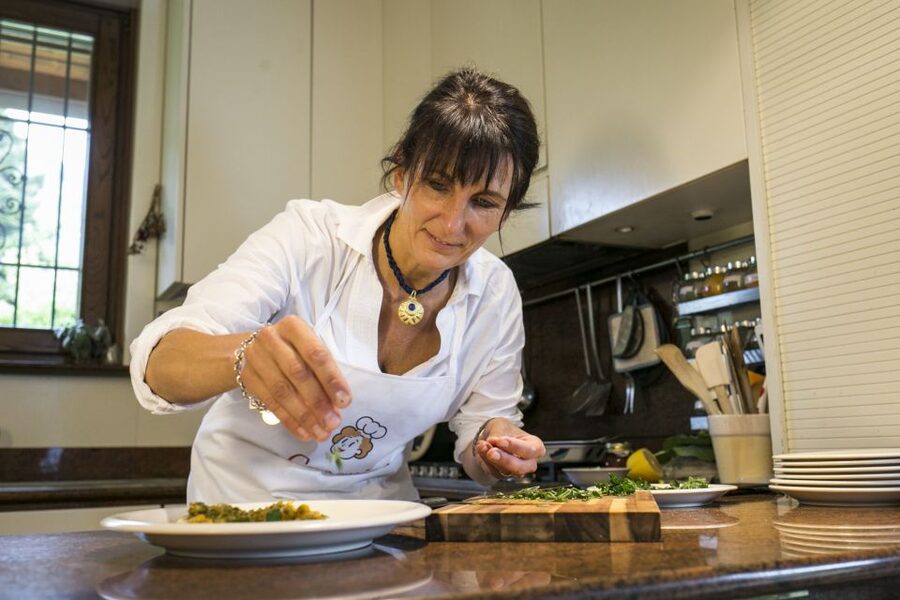
If you’re looking for Varenna food memories that go past “we ate well,” this type of class does the job. You’re not standing in line or watching from behind glass. Instead, you cook in a home kitchen and learn the practical rhythms of Italian home cooking—how people taste as they go, how they adjust texture, and what matters most in regional dishes.
The biggest win here is the private group format. That matters because you get time for questions, and your host can tailor the pace to the people in front of them. In a small, lived-in kitchen, you tend to learn faster: you can ask why something works, not just what to do next.
I also like that it’s taught by an Italian home cook (the experience notes a certified home cook). That’s usually where the real credibility sits. Restaurant chefs can be brilliant, but home cooks are the ones who carry family habits—the kind that show up in everyday family cookbooks and repeat cooking techniques.
One more practical point: because it’s at a home, you’re likely to get a more relaxed atmosphere than a formal cooking school. That’s great for enjoyment, as long as you treat the space with respect—follow instructions, keep things tidy, and be ready to work at a comfortable tempo.
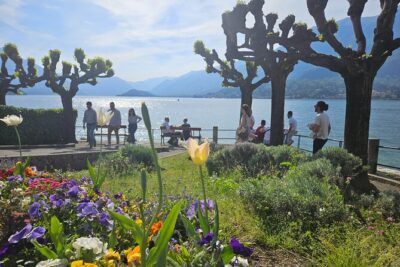
Across to Varenna and the quieter eastern shore.


Your 3-Recipe Lesson: The Real Cooking Flow (Not Just Demos)
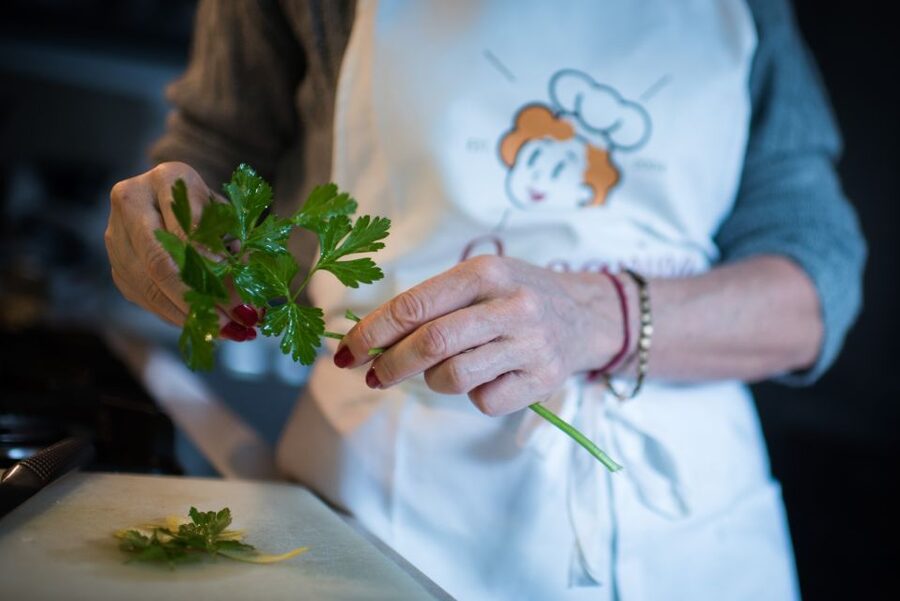
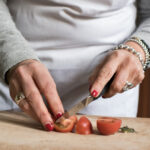
This experience is built around a clear, hands-on structure: you’ll learn three authentic local recipes during the lesson. The host provides a workstation with the tools you need and ingredients set up for you to cook.
Here’s how it generally plays out in a home class like this:
- You arrive, meet your host, and get oriented to the kitchen setup.
- The instructor shows key steps for the first recipe, including the tricks that usually aren’t written down in recipes.
- You then take over—chopping, mixing, assembling, cooking—while the host guides you.
- The process repeats for a second recipe and then a third.
- After you cook, you sit down to taste what you made.
What makes this valuable is the combination of explanation and action. The lesson isn’t just you stirring something while you hope it turns out. You learn the logic behind common techniques: what to watch for visually, what changes mean you need to adjust, and how to keep the final dish balanced.
From the kind of experiences hosted by people like Antoinette and Annamaria, the best part is that good hosts tend to keep it readable: a bit of background, a real demonstration, and then clear instruction while you’re cooking. That keeps the whole thing fun instead of stressful, especially if you don’t have much cooking experience.
Starter, Pasta, Dessert: What You’ll Actually Make and Taste
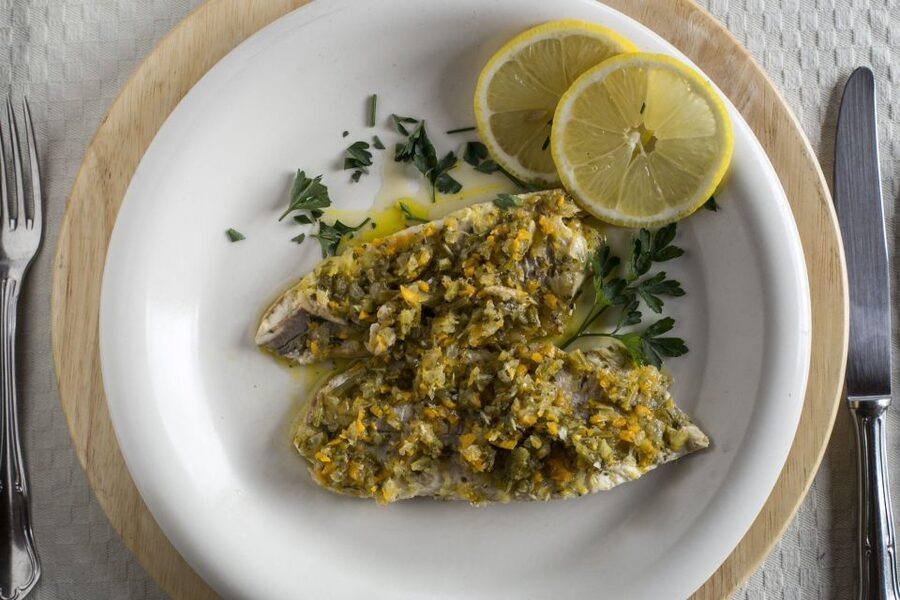
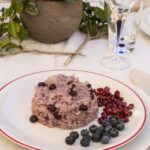
This class doesn’t end with a plate “to sample.” It’s designed as a full tasting meal. Included in the experience is tasting of three local dishes: a starter, pasta, and dessert. You cook these during the 3-hour session, then you sit down and eat them together.
That matters for value. Many “cooking experiences” are half cooking and half theater. Here, you do the cooking, and you’re not leaving hungry. Plus, tasting your own food is the fastest way to learn. You immediately understand how ingredients behave when they’re real, not just how they read on a recipe card.
The food is framed as “most famous dishes of regional cuisine,” and the host reveals the tricks of the trade for the three authentic local recipes you’ll work on. Even if you’ve had Italian food before, this kind of lesson can help you notice differences you usually miss: the texture of pasta when it’s made right, the seasoning balance in a starter, and how dessert is built for the right sweetness and finish.
If you’re a foodie, this is the part that you’ll feel most in your memory. Not because it’s fancy, but because it’s yours. You’ll leave with the confidence that you can recreate the basics at home.
Wine, Water, and Coffee: How the Meal Fits the Timing
The experience includes beverages with your meal: water, local wines, and coffee. In a 3-hour format, that’s not an afterthought. Wine included changes the pacing in a good way—less rush, more time to sit, talk, and taste.
The way I think about classes with included wine is simple: it’s not just about drinking. It’s about turning the lesson into a full dinner-table experience. That’s why the tasting step is so important. You don’t just finish cooking; you shift into tasting mode, and that’s where the host’s guidance helps you understand what you made.
Also, because coffee is included, the class ends like a real meal rather than a quick snack stop. It’s small details like that that make the whole experience feel complete.
One practical consideration: if you’re sensitive to alcohol or prefer to avoid wine, make your preference clear at the start. The experience notes beverages are included, but it doesn’t spell out substitution rules—so it’s smart to flag your needs early so the host can manage expectations comfortably.
Meeting a Host in Varenna: Address Details and What to Expect
This happens in a local family home, and for privacy reasons you receive the full address only after booking. After you book, the local partner contacts you with exact meeting instructions.
That setup is common for home experiences, and it’s usually fine if you plan like an adult and read your messages carefully. I recommend you:
- Check your booking confirmation and any follow-up instructions promptly
- Save the partner’s contact details in your phone
- Aim to arrive a few minutes early so you’re not rushing someone in their home
The experience also notes the activity starts either 10:00 AM in the morning or 5:00 PM in the afternoon, and the guides can be flexible if you request it in advance based on travel needs. That flexibility is useful if you’re juggling ferry times or sightseeing schedules in the area.
Finally, the instructor is Italian and English. That’s a big deal in a home kitchen. You’ll be able to follow instructions clearly, ask questions, and understand the “why” behind the technique—not just the “do this, then that.”
Rolling pasta and pizza in a Larian kitchen.
Price and Value in Varenna: Is $164.26 Worth It?
At $164.26 per person, this isn’t a budget activity. But it can be a strong value depending on what you want from your trip.
Here’s what you’re paying for, in practical terms:
- A certified home cook / expert home cooks guiding you
- Ingredients and utensils set up for you to actually cook three dishes
- A full meal outcome: starter, pasta, dessert
- Wine included, plus water and coffee
- A private group experience (so you’re not swallowed by a big crowd)
- The real “take-home” skill part—learning the techniques, not just eating food
When I look at value, I ask: will I remember this, and will I be able to use what I learned? Cooking classes that end with you tasting everything you made tend to stick in your head. You’re not just paying for the food; you’re paying for the experience of producing it.
If your goal is a quick bite and photos, you might feel this is expensive. If your goal is to learn and actually enjoy a proper meal in a local home, the price starts to make sense fast.
For couples, this kind of class often feels like a better alternative to a touristy dinner: you get conversation, teaching, and a full table meal wrapped into one.
Dietary Needs and Language: Keeping the Lesson Comfortable
The experience can cater to all dietary requirements upon request, including vegetarian, vegan, and gluten-free. That’s important, because home classes work best when the host can plan ingredients in advance.
If you have dietary needs, do this early:
- Submit your request at booking or as soon as the host asks for details
- Be specific about what you can and can’t eat
- Let the instructor know so they can adjust the menu while keeping it true to the local recipes
Language is also handled. The instructor speaks Italian and English, which helps whether you’re comfortable asking questions or just want the steps clearly explained.
Because this is in a home, the comfort factor matters. You’re sharing someone’s space, so communicate needs calmly and early. You’ll get a better result, and the experience will stay pleasant for everyone involved.
Who This Cooking Class Fits Best (and Who Should Skip It)
This is a great fit if you:
- Want a hands-on Varenna cooking class instead of watching
- Like eating what you cook, with a real tasting meal and wine included
- Prefer a private, home-based experience over larger groups
- Enjoy learning regional Italian techniques you can repeat later
It may be less ideal if you:
- Hate cooking tasks or prefer purely passive sightseeing
- Want a high-energy restaurant-style atmosphere
- Need an address right away before booking (the experience shares the full address after booking)
Also, since the class is 3 hours and centers on cooking and tasting, plan your day so you’re not sprinting across town afterward. You’ll want that time for the full experience to land.
Should You Book This Varenna Cooking Class at a Local’s Home?
I’d book it if your idea of a great Italy day includes three things: real instruction, a meal that feels personal, and a home connection. The combination of three authentic recipes, utensils and ingredients provided, and tasting everything you cook with wine makes this feel like more than a class. It’s a dinner you actively build.
I’d think twice if you’re very schedule-tight and don’t want to rely on the host’s meeting instructions, or if you want a more conventional public setting. Because it’s a home, you’re participating in someone’s routine, not just joining an event.
If you’re flexible, curious, and willing to get your hands a little involved, this is one of those Varenna experiences that tends to turn into a story you repeat at home.
FAQ
How long is the cooking class in Varenna?
The class lasts about 3 hours.
What will I cook during the lesson?
You will learn and prepare three local recipes, including a starter, pasta, and dessert.
Will I get to taste what I cook?
Yes. You’ll taste everything you prepare during the class, arranged as a starter, pasta, and dessert tasting.
Is wine included?
Yes. The experience includes local wines with your tasting.
What other drinks are included besides wine?
Water and coffee are also included, along with the wines.
Is this experience a private group?
Yes. It’s listed as a private group.
Who teaches the class and what languages are offered?
The instructor is Italian and English.
Where is the meeting point?
The class is held in a local family home. For privacy, the full address is shared after you book, and the local partner sends exact meeting instructions.
When does the class typically start?
It usually begins at 10:00 AM or 5:00 PM. If you request in advance, the guides can be flexible based on your travel requirements.
Can the host accommodate dietary requirements?
Yes. The experience can cater to dietary requirements upon request, including vegetarian, vegan, and gluten-free options.
What are the cancellation and payment options?
You can cancel up to 24 hours in advance for a full refund. You can also reserve now and pay later, meaning you pay nothing today.
More Lake Como Cooking Classes
More of Varenna and the East Shore

More Tour Reviews in Varenna

Prefer something else? More ways to fill a day around Lake Como and its shore villages
Varenna & the Eastern Shore, compared.
 ★ 4.4Varenna: Lake Como Premium Shared CruiseFrom $47577 reviews
 ★ 4.5Bellagio & Varenna Full-day Tour on Lake Como by private boatFrom $453301 reviews
 ★ 4.5Lake Como – Varenna & Bellagio Exclusive Full-Day TourFrom $266165 reviews
 ★ 4.4Varenna: Castello di Vezio Entry TicketFrom $8129 reviews
 ★ 5.0Varenna: Picnic Experience in the Italian AlpsFrom $16341 reviews
 ★ 5.01 Hour Private Boat Tour from Varenna on Lake ComoFrom $40737 reviews
 ★ 4.8Varenna: Dining Experience at a Local’s HomeFrom $11837 reviews
 ★ 4.9Varenna: Pasta & Tiramisu Cooking Class at a Local’s HomeFrom $15237 reviews
Browse the lists this tour appears in